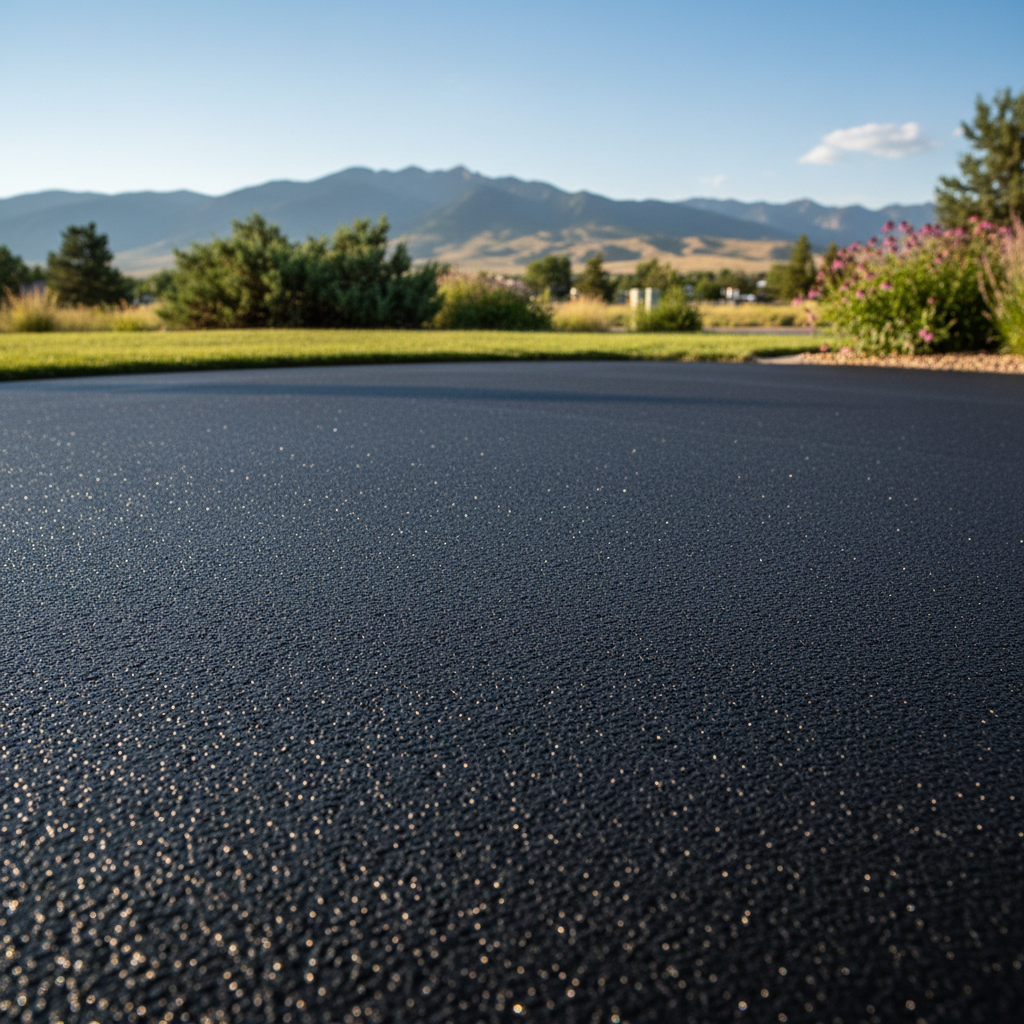
What exactly IS slurry coating, anyway?
Alright, let's get this straight. Slurry coating, or sometimes called sealcoating, isn't paving your driveway all over again. Think of it like a protective sunscreen and a fresh coat of paint for your asphalt. It's a liquid mixture – usually asphalt emulsion, water, aggregate (real fine sand), and some other additives. When we put it down, it fills in tiny cracks, restores that deep black color, and creates a barrier against the elements. It's about extending the life of your existing asphalt, not replacing it.
How often should I really get my driveway slurry coated?
This is probably the most common question I get. There's no one-size-fits-all answer, but generally, for a residential driveway here in Longmont, you're looking at every 2-4 years. It depends on a few things: how much sun your driveway gets, how heavy the traffic is (do you have a big RV parked on it all the time?), and how well the initial asphalt was laid. If you've got a south-facing driveway that bakes in the Colorado sun all summer and freezes hard every winter, you might lean towards that 2-year mark. If it's mostly shaded and sees light use, you can probably stretch it to four. I always tell folks to keep an eye on it – if it's looking faded, starting to show a lot of hairline cracks, or the aggregate is really starting to show through, it's probably time.
Can I just do this myself to save some money?
Look, I'm a small business owner, and I appreciate folks wanting to tackle things themselves. For some projects, DIY is great. For slurry coating? I'd generally advise against it for anything bigger than a small patch. The stuff you buy at the big box stores isn't the same quality as what we use. It's thinner, doesn't last as long, and often has less aggregate, meaning it won't protect as well. Plus, applying it evenly, getting the right thickness, and dealing with proper preparation – cleaning, crack filling, oil stain treatment – it's a lot more work and skill than most people realize. You can end up with streaks, uneven coverage, and a mess that's harder to fix than if you'd just called us in the first place. I've seen plenty of driveways in places like the Prospect neighborhood where someone tried to DIY and ended up with a blotchy, quickly deteriorating surface. It's usually a job best left to the pros if you want it to look good and last.
What's the weather got to do with it? Can you do it any time of year?
Weather is HUGE for slurry coating, especially here in Colorado. You can't just slap this stuff down whenever. The ideal conditions are when the air temperature is at least 50°F and rising, and it's going to stay that way for at least 24-48 hours after application. The ground temperature also needs to be warm enough. We need dry conditions, too – no rain in the forecast for at least a day or two. If it's too cold, the slurry won't cure properly, and it'll peel or wear off quickly. If it rains too soon, it'll wash away or get diluted, ruining the finish. That's why we typically do this work from late spring through early fall. Trying to do it in November? Forget about it. The ground is too cold, and you're just asking for trouble.
How long will I be locked out of my driveway after you're done?
This is a big one for homeowners, I get it. Nobody wants to park on the street for days. Generally, you'll need to stay off the driveway for at least 24 hours after we apply the slurry. That means no walking, no pets, and definitely no driving. In cooler or more humid conditions, or if it's a thicker application, it might need 48 hours to fully cure. We'll always give you a clear estimate on site. It's crucial to respect that curing time. Driving on it too soon can leave tire marks, scuff the surface, and compromise the integrity of the coating. Patience is key here for a long-lasting finish.
Does slurry coating fix existing cracks and potholes?
This is a common misconception. Slurry coating is a preventative and restorative measure, not a repair solution for major damage. It will fill in very fine hairline cracks, which helps prevent them from getting bigger. But if you've got cracks that are wider than a quarter-inch, or any actual potholes, those need to be repaired *before* we apply the slurry. We'll clean them out, fill them with hot asphalt or a specialized crack filler, and let that set. Trying to slurry coat over significant cracks or potholes is like putting a band-aid on a broken leg – it won't solve the underlying problem, and the slurry will just crack or fail in those areas quickly. At Integrity Paving, we always include a thorough inspection and recommend any necessary repairs before we even think about coating.
What's the best way to prepare my driveway before you arrive?
You can help us out a lot before we even pull up. First, clear everything off the driveway – cars, trash cans, basketball hoops, potted plants, everything. We need a completely clear surface. Second, give it a good sweep or even a power wash a day or two before we come. Get rid of any loose dirt, leaves, or debris. If there are any oil or grease stains, try to scrub them with a degreaser. We'll do our own final cleaning, but the less grime we have to deal with, the better the slurry will adhere. Also, if you have a sprinkler system, make sure it's turned off for at least 24 hours before and after our work. We don't want any unexpected water messing with the curing process.
Is slurry coating really worth the money?
Absolutely, if it's done right and at the right time. Think of it like changing the oil in your car. It's preventative maintenance. Asphalt, especially with our freeze-thaw cycles and intense UV exposure here in Longmont, starts to break down the moment it's laid. The sun dries out the binders, water seeps into tiny cracks and expands when it freezes, and traffic wears down the surface. Slurry coating protects against all that. It seals the surface, replenishes those lost oils, and gives it a fresh, uniform look. It's significantly cheaper to slurry coat every few years than to let your driveway deteriorate to the point where you need a full asphalt overlay or even a complete tear-out and replacement. It's an investment that pays off by extending the life of your asphalt by many years.