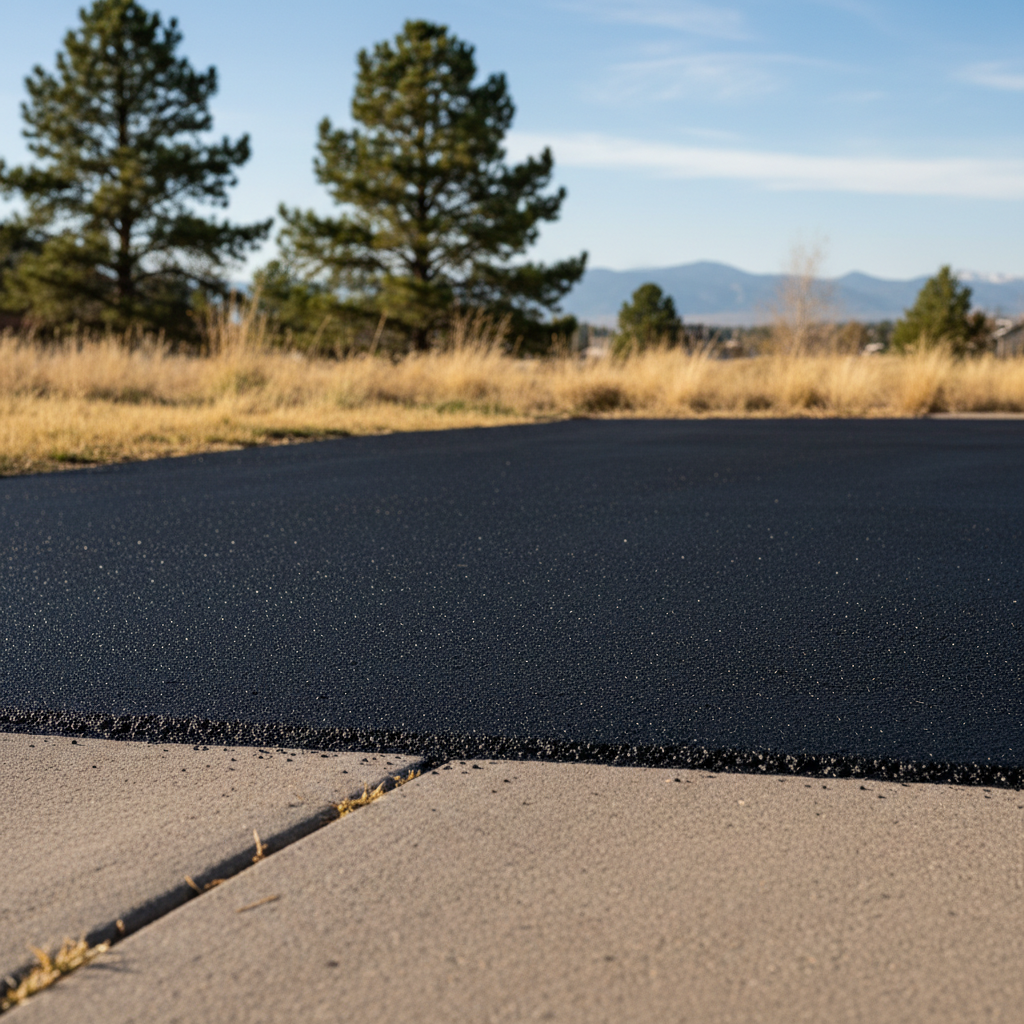
Sealcoating. You see the signs, you get the flyers, maybe your neighbor just had theirs done. It's one of those things that homeowners in Longmont often wonder about, and honestly, there's a lot of mixed information out there. I've been doing this for a long time, and I hear the same questions over and over. So, let's just get to it. Here are the straight answers to what you're probably asking about sealcoating your driveway.
What exactly is sealcoating, and why do I need it?
Alright, let's break it down. Sealcoating isn't just about making your driveway look pretty – though it definitely does that. Think of it like sunscreen for your asphalt. Your driveway, whether it's on a quiet street in Prospect or a busier road, is constantly getting hammered by the sun's UV rays, rain, snow, and even chemicals from your car. All that stuff breaks down the asphalt binder, which is what holds the aggregate (the rocks and sand) together. When that binder goes, your driveway starts to fade, get brittle, and crack.
Sealcoat is a protective layer, usually an emulsion made from asphalt cement, water, and mineral fillers. We spray or squeegee it on, and once it cures, it creates a barrier. This barrier protects against those UV rays, slows down water penetration, and resists oil and gas spills. It keeps the asphalt flexible longer, which means fewer cracks and less deterioration. It's about extending the life of your investment, plain and simple.
How often should I sealcoat my driveway?
This is probably the most common question I get. There's no one-size-fits-all answer, but generally, I tell folks to aim for every 2-3 years. If you've just had a brand new driveway put in, you'll want to wait about 6-12 months for the asphalt to fully cure before the first sealcoat. After that, it really depends on a few things:
- Traffic: A driveway with multiple cars coming and going all day will wear down faster than one used once or twice a day.
- Weather exposure: Our Longmont weather, with its hot summers and snowy winters, is tough on asphalt. Lots of sun and freeze-thaw cycles mean you might lean towards the shorter end of that 2-3 year window.
- Previous sealcoat quality: If the last job wasn't done right, or a cheap product was used, it won't last as long.
Don't wait until your driveway is full of potholes and spiderweb cracks. Sealcoating is preventative maintenance, not a magic repair solution.
What's the best time of year to get it done in Longmont?
You can't just sealcoat any old time. Temperature is key. The sealcoat needs warm, dry conditions to cure properly. That means we're looking at late spring, summer, and early fall here in Longmont. Typically, I like to see consistent daytime temperatures of at least 50°F (10°C) and no rain in the forecast for at least 24-48 hours after application. Trying to do it when it's too cold or too wet just means the sealcoat won't bond right, and you'll be wasting your money. It'll peel, flake, and just generally fail prematurely.
Can I sealcoat over cracks and potholes?
No, not really. This is a big one. Sealcoating is a protective layer, not a structural repair. Think of it like painting over a hole in your wall – it doesn't fix the hole, it just covers it up for a bit. Before we even think about applying sealcoat, any existing cracks need to be cleaned and filled with a proper crack filler. Potholes need to be patched. If you sealcoat over damaged asphalt, those cracks and potholes will just show through, and the sealcoat around them will likely fail quickly. We always make sure the surface is prepped correctly, otherwise, you're just throwing good money after bad.
How long does it take to dry, and when can I drive on it?
This is where patience comes in. After application, the sealcoat usually takes 24-48 hours to fully cure and be ready for vehicle traffic. It might look dry sooner, but it needs that time to harden completely. Walking on it after a few hours is usually fine, but driving on it too soon can leave tire marks, scuffs, and can even pull up the fresh sealcoat. I always tell my Integrity Paving customers to plan for at least a full day, preferably two, where they won't need to use their driveway. If you've got a second parking spot or can park on the street for a couple of days, that's ideal.
Is there a difference in sealcoat products?
Absolutely. Not all sealcoats are created equal. You'll find different types out there, mainly coal tar emulsions and asphalt emulsions. Coal tar used to be the industry standard, but because of environmental concerns, many places (including us) have moved towards asphalt-based emulsions. Within those categories, there's a huge range in quality. Some products are heavily diluted, meaning they're cheaper but won't last as long or provide as much protection. Others have better polymers and additives that improve durability, flexibility, and adhesion. We always use high-quality, commercial-grade products that are designed to stand up to our Colorado climate. It costs a little more upfront, but it saves you money and headaches in the long run because it performs better and lasts longer.
What should I look for in a sealcoating contractor?
This is crucial. You want someone who's local, experienced, and stands behind their work. Don't just go with the cheapest bid. Ask about their process: Do they clean the driveway thoroughly first? Do they fill cracks? What kind of product do they use? How many coats do they apply? A reputable contractor, like us at Integrity Paving, will be happy to answer all your questions, provide references, and give you a clear, written estimate. We've seen too many DIY jobs or fly-by-night operations that leave homeowners with a mess. You want someone who knows the unique challenges of Longmont's soil and weather, and who's going to be around if you have questions down the road.
Ultimately, sealcoating is an investment in your home. Done right, it will protect your driveway, keep it looking good, and save you from more expensive repairs later on. If you've got more questions, or you're ready for an estimate, just give us a call.