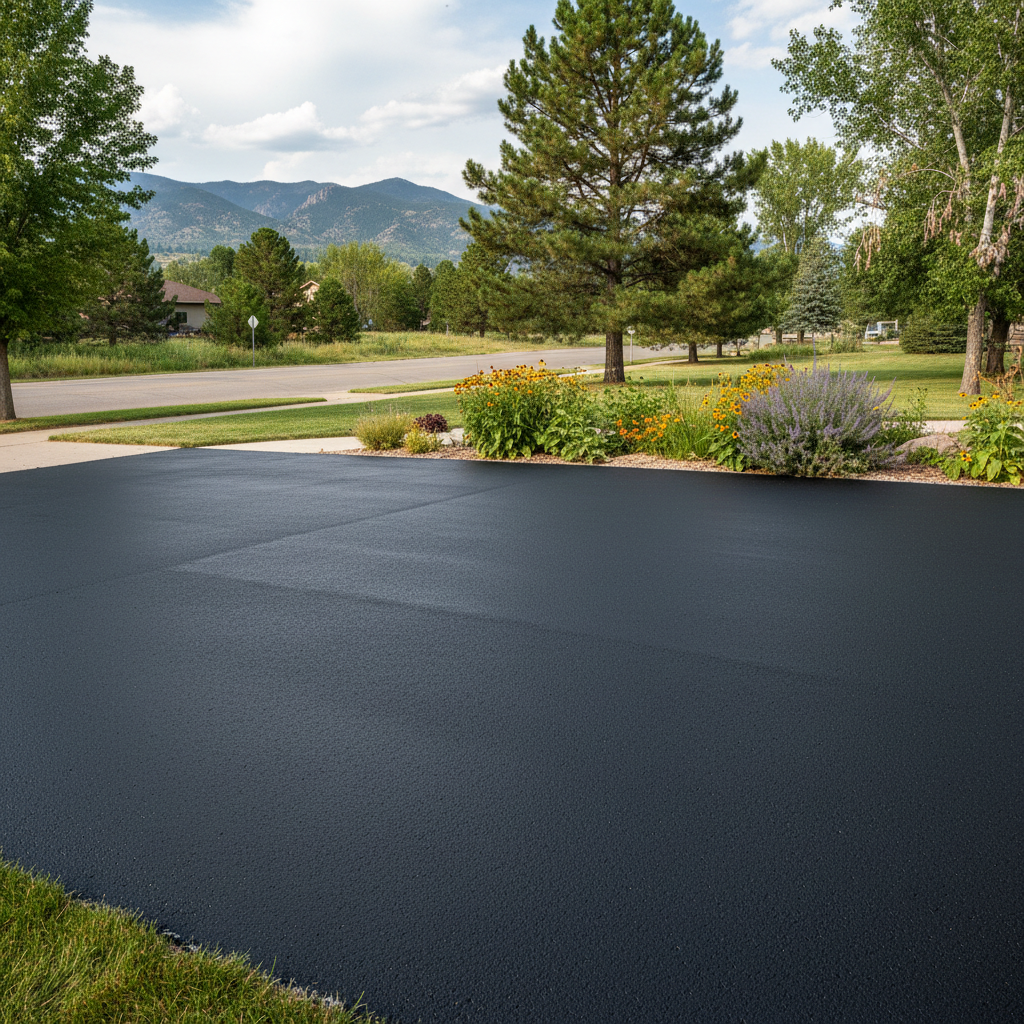
Alright, let's talk slurry coating. It's a great way to protect your asphalt, make it look sharp, and extend its life. But I see a lot of homeowners and even some small businesses around Longmont make some pretty avoidable blunders when they're getting ready for or hiring someone for this kind of work. You don't want to end up regretting your decision, so let's get you squared away.
Mistake #1: Not Understanding What Slurry Coating Actually Is
This might sound basic, but it's a huge one. A lot of people confuse slurry coating with sealcoating. They're not the same thing. Sealcoating is a thin, protective layer that goes on existing asphalt. Slurry coating, on the other hand, is a thicker, aggregate-filled mixture. It's designed to fill minor cracks, improve the surface texture, and provide a more durable wear layer. It's a bigger job, usually for asphalt that's a bit older but still in decent shape, not totally falling apart. If your asphalt is already crumbling or has major potholes, slurry coating isn't a magic fix; you'll need repairs first. Expecting it to fix structural issues is like putting a band-aid on a broken leg.
Mistake #2: Ignoring the Weather (or the Calendar)
Longmont weather can be a real wildcard, can't it? One day it's sunny and 70, the next it's snowing. Slurry coating needs specific conditions to cure properly. You're looking for consistent temperatures, usually above 50°F, and no rain in the forecast for at least 24-48 hours after application. Trying to rush a job in late fall when nighttime temps are dipping, or right before a spring storm, is just asking for trouble. The material won't bond right, it'll crack prematurely, and you'll have wasted your money. We've seen jobs where people tried to push it, and the results were just a mess. Plan for late spring, summer, or early fall for the best results. Don't let a contractor tell you it's fine if the forecast looks iffy.
Mistake #3: Not Preparing the Surface Properly
This is probably the biggest red flag I see. A good slurry coating job is 90% prep work. If a contractor just shows up, blows off a few leaves, and starts spraying, run. Seriously. The surface needs to be meticulously cleaned – free of dirt, oil, loose gravel, and any vegetation. All cracks need to be filled and sealed properly beforehand. Any oil stains need to be primed. If these steps are skipped, the slurry won't adhere correctly, and you'll get peeling, flaking, and premature failure. It's like painting over a dirty, greasy wall; it just won't stick. Ask your contractor exactly what their prep process involves. If they can't give you a detailed answer, that's a problem.
Mistake #4: Going with the Absolute Lowest Bid
Look, I get it. Everyone wants a good deal. But with asphalt work, the cheapest bid is often the most expensive in the long run. I've seen too many situations where homeowners picked the lowest price, and then a year or two later, they're calling us at Integrity Paving to fix what the last guy messed up. These low-ballers often cut corners on materials, skip crucial prep steps, or use inexperienced crews. They might not be properly insured or licensed, either. Ask for references, check reviews, and make sure they're a legitimate business with a physical presence, not just a guy with a truck and a sprayer. A reputable contractor will give you a fair price for quality work, and they'll stand behind it.
Mistake #5: Not Asking About the Material Mix
This ties into the