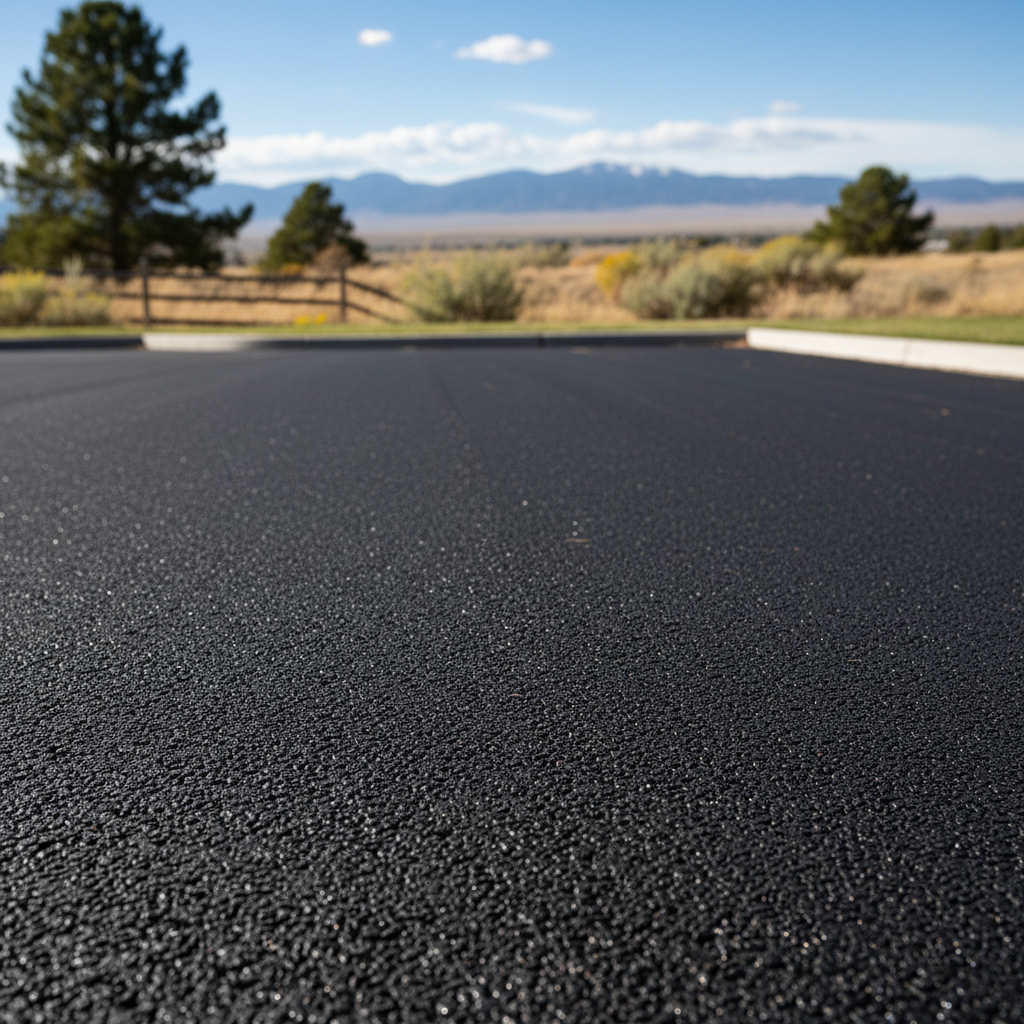
Do I even need a permit to pave a parking lot at my house?
Yeah, you probably do. This is one of those things folks often overlook, and it can cause headaches down the road. In Longmont, if you're putting in a new impervious surface – that means something water can't soak through, like asphalt or concrete – you're usually going to need a permit from the city. This isn't just about the paving itself; it's about stormwater management. The city wants to make sure you're not just directing all your runoff into your neighbor's yard or overwhelming the storm drains. They'll want to see a plan for how you're going to handle that water, maybe with some swales or a permeable paver section. It's always best to check with the Longmont Planning Department before you even start digging. Trust me, it's easier to get it right the first time than to fix a violation.
What's the difference between asphalt and concrete for a residential parking area?
Good question, and it's a big one. Most folks think of asphalt for big commercial lots and concrete for driveways, but it's not always that cut and dry for a home parking area. Asphalt is generally cheaper upfront. It's flexible, which is good for our freeze-thaw cycles here in Colorado – it can expand and contract without cracking as easily as concrete might. But it needs more maintenance, like sealcoating every few years, to keep it looking good and protected. Concrete costs more to install, but it's super durable and can last a really long time with less maintenance. It's also better for heavy loads, like if you've got an RV or a heavy work truck parked there all the time. Concrete can crack, especially if the base isn't prepped right, but those cracks are usually easier to repair than widespread asphalt deterioration. For a residential parking area, it often comes down to your budget, how much traffic it'll see, and your willingness to do a little upkeep.
My current parking area is a mess. Can you just pave over it?
Short answer? Probably not, or at least not well. This is a common request, especially when people have an old, cracked-up concrete pad or a gravel area that's turned into a mud pit. Just paving over a bad base is like putting a fresh coat of paint on a rusty car – it looks okay for a minute, but the problems underneath are still there and will pop right back through. If you've got a concrete slab that's severely cracked or heaving, we'd need to break that up and remove it. If it's a gravel area, we'd need to make sure it's properly graded, compacted, and that the sub-base is stable. Sometimes, if an asphalt lot is just showing minor surface cracks, we can mill off the top layer and put down new asphalt, but even then, we're checking the integrity of what's underneath. You want a parking area that lasts, and that starts with a solid foundation.
How long does a new asphalt parking lot usually last?
A well-installed and properly maintained asphalt parking lot at a residence in Longmont? You're looking at 15 to 20 years, easily. Maybe even more. The key words there are