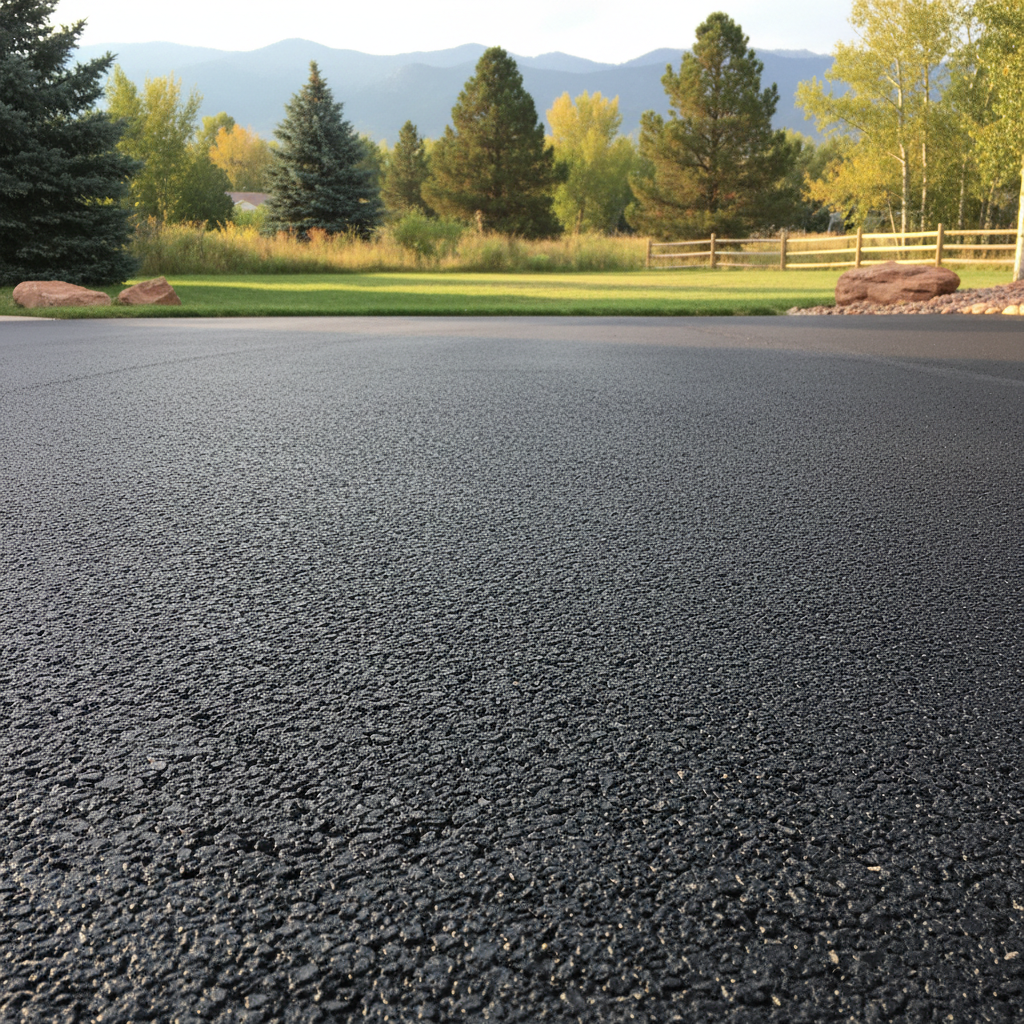
Most homeowners in Longmont do not think about their driveway until it is cracking apart or sinking into the heavy clay soil in the area. Integrity Paving is out fixing and pouring Asphalt Paving all over Boulder County every week, and our team sees the same mistakes time and again. If you are tired of parking on a crumbling surface, you need a real plan before you spend money on a new Asphalt Driveway. Let us walk through what you can actually tackle yourself and when it is time to bring in heavy equipment for Asphalt Paving in Longmont.
Before the First Shovel Hits Dirt
Getting ready for an Asphalt Paving project is not just about picking a contractor and hoping for the best. You have homework to do before anyone shows up with an asphalt truck.
- Call 811 to get your utility lines marked. Skipping this is a gamble nobody should take, especially with gas and fiber lines running close to older properties near downtown Longmont.
- Look at your drainage. If water pools near your garage after a heavy spring thunderstorm, paving right over it will not fix the slope problem.
- Check HOA guidelines if you live in a newer development over on the east side of town. They often have strict rules about Driveway Installation widths and materials.
Can you do the prep work yourself? Sure, if you have a weekend and a rented skid steer. You can tear out old, broken concrete or degraded Asphalt Paving, haul it to the dump, and shape the sub-base. Most homeowners find out very quickly that breaking up concrete by hand with a sledgehammer is a great way to wreck your back before the actual project even starts.
During the Paving Process
Once the crew arrives, things move fast. Whether you are going with fresh asphalt or a concrete pour, the middle phase is where professional experience really matters.
If you hired Integrity Paving or any other reputable local crew, our job is to make sure the sub-grade is compacted properly. Colorado weather swings from freezing sub-zero winter nights to blazing summer afternoons, and that expansion and contraction will wreck a poorly compacted base in two seasons. You need heavy machinery to vibrate and pack that dirt down tight.
What can you do during this phase? Stay out of the way, keep the neighborhood dogs inside, and make sure your sprinklers are turned off. A rogue sprinkler head soaking the sub-base right before the hot mix goes down creates a weak spot that will crack within a year. Let the operators work, and keep an eye on your property lines to make sure nobody blocks your neighbor's driveway.
After the Pavement Cures
The truck leaves, the new driveway looks dark and slick, and you are ready to park your car on it. Hold on. Pavement needs time to cure and harden, especially asphalt.
Keep heavy vehicles off a brand-new Asphalt Paving surface for at least 2 to 3 weeks, particularly when July afternoon temperatures in Longmont push past ninety degrees. Hot asphalt stays soft longer than you think, and sharp tires can gouge deep ruts if you turn your steering wheel while parked.
Maintenance is where you take over completely. Sealcoating every few years keeps moisture out of the microscopic cracks. Pull weeds that try to sprout along the edges before their roots pry the pavement apart. If you spot a tiny crack next spring, fill it right away with a tube of cold-pour crack filler from the hardware store. It takes 10 to 15 minutes and saves you thousands of dollars down the road.
For homes and businesses in Longmont, Integrity Paving provides Asphalt Paving services to ensure your property handles decades of Colorado weather.