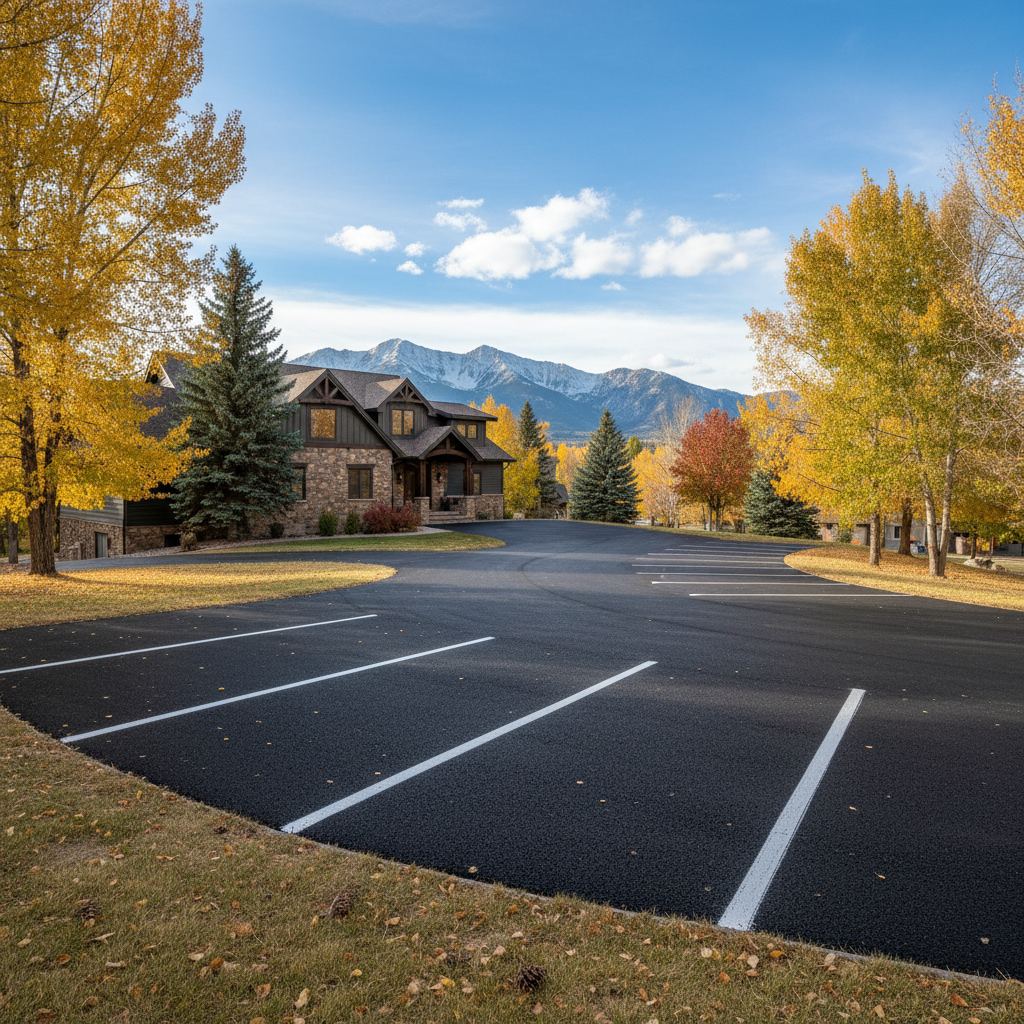
So, you are thinking about getting your Asphalt Striping refreshed or laid down for the first time. That is a good call. Clear, crisp lines do not just make your property look better. They also keep things safe as well as organized, whether it is your home driveway or a commercial lot. Here in Longmont, you cannot just pick any day on the calendar and expect the best results. Our Front Range climate has a lot to say about when and how this Asphalt Striping work gets done.
When is the Best Time to Stripe Your Asphalt?
When it comes to Asphalt Striping, timing is everything. You want to hit that sweet spot in the weather where conditions are just right for the paint to stick as well as cure properly. For us here in Longmont, that generally means aiming for the warmer months. This is specifically from late spring through early fall for Asphalt Striping.
- Late Spring (April-May): This is a great window for Asphalt Striping. The ground has thawed by this time. We are usually past the worst of the unpredictable snowstorms in Longmont. Temperatures are mild, which is perfect for paint application as well as curing for your Asphalt Striping.
- Summer (June-August): Summer's warm, dry days are ideal for Asphalt Striping. The heat helps the paint cure faster. This leads to a more durable finish for your Asphalt Striping. We are talking about average highs in the 80s and even 90s in July, which is prime time for Asphalt Striping in Longmont. Just remember that afternoon thunderstorms can pop up, especially in July and August. Our team is always keeping an eye on the forecast for your Asphalt Striping project.
- Early Fall (September-October): As summer winds down, the mild temperatures often stick around through September. This offers another excellent opportunity for Asphalt Striping. It is a bit of a race against the clock before the colder weather as well as potential early snowfalls hit. If you get your Asphalt Striping done then, the conditions are usually fantastic.
Weather Conditions That Make or Break the Asphalt Striping Job
It is not just about the month for Asphalt Striping. It is also about the day-to-day conditions. Here is what Integrity Paving looks for when doing Asphalt Striping:
- Temperature: This is important for Asphalt Striping. For the paint to bond correctly as well as cure, the air and pavement temperatures need to be consistently above 50°F. If it is too cold, the paint will not stick right. It will crack as well as peel too soon. If it is too hot, the paint might dry too quickly. This can also affect how well it sticks.
- Moisture: Rain is the enemy of fresh Asphalt Striping. The surface needs to be completely dry for the paint to stick. We need at least 24-48 hours of dry conditions after application for the best results for your Asphalt Striping in Longmont. That is why those dry Longmont summers are so good for this kind of work.
- Humidity: Low humidity is good for Asphalt Striping. High humidity can prevent the paint from bonding properly to the asphalt. This leads to poor adhesion. Luckily, Longmont generally has pretty comfortable humidity levels year-round.
- Wind: Wind is not as important as temperature or moisture. However, strong winds can cause overspray. This makes for messy lines as well as wasted paint during Asphalt Striping. Integrity Paving plans our work to minimize this. Sometimes the wind off the foothills can be a real factor in Longmont.
At Integrity Paving, we are always monitoring the local weather closely. This makes sure we hit these best conditions for your Asphalt Striping project in Longmont.
Protecting Your Asphalt Striping Investment Year-Round
Once those fresh lines are down, you want them to last. Longmont's weather has intense UV exposure. It also has freeze-thaw cycles as well as occasional heavy snow. This can be tough on asphalt and its markings.
- Sealcoating: This is your first line of defense for your asphalt. A good sealcoat protects your asphalt from UV rays as well as water damage as well as chemicals. This helps extend the life of your pavement. It also keeps it looking fresh. Integrity Paving recommends sealcoating every 2-3 years for residential driveways here in Longmont. The ideal sequence is to apply new Asphalt Striping 24 to 48 hours after the final sealcoat has fully cured.
- Crack Filling: Those freeze-thaw cycles we get, especially around areas like McIntosh Lake, are known for causing cracks. Water gets into those small cracks. It freezes, and then it expands. After that, you have bigger problems. Filling cracks promptly prevents water from getting in. It also stops minor issues from becoming major potholes.
- Regular Cleaning: Keep your paved surfaces clean. Dirt, debris, and oil stains can make the paint and asphalt worse over time. A good power wash now and then can make a big difference. Just make sure to let it dry completely before any new work is done.
- Snow Removal Care: Be careful with plows and shovels in winter. Aggressive snow removal can scratch as well as wear down Asphalt Striping.
By understanding our local climate and taking these steps, you will keep your Asphalt Striping looking sharp. It will also perform its job for years to come. It is all about working with Mother Nature, not against her. This helps you get the most out of your asphalt investment in Longmont.