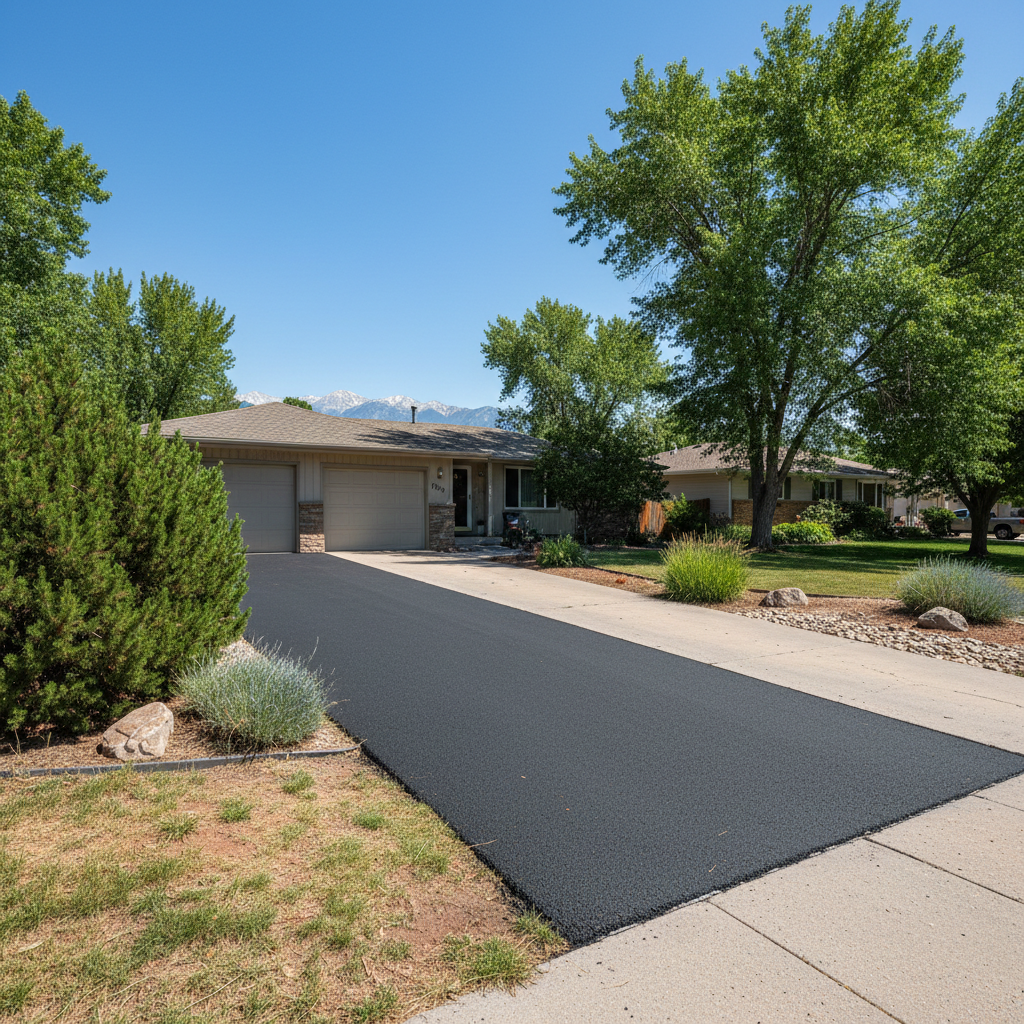
Planning Your Longmont Asphalt Repair: A Homeowner's Guide
Your driveway's seen better days, huh? Maybe it's got a few spiderweb cracks, a pothole that swallows your car tire, or just looks generally tired. Fixing it isn't rocket science, but doing it right takes a little planning. As a local contractor, I've seen it all, and I want to help you get this done without a headache.
Timeline: When to Expect What
Let's talk timing. Most folks think about asphalt repair when they see the damage, which is usually spring or summer. That's actually a good time to do it. The asphalt needs warmer temperatures to cure properly, so we're generally looking at late spring through early fall here in Longmont. If you call us in January, we can plan, but we won't be laying hot asphalt.
- Initial Contact & Quote: This usually takes a few days to a week. You call, we schedule a visit, I come out, assess the damage, and get you a detailed quote.
- Scheduling the Work: Once you approve the quote, we'll get you on the schedule. Depending on how busy we are and the size of your project, this could be anywhere from a couple of weeks to a month or more out during peak season. Good contractors are usually booked up, so don't expect next-day service.
- The Repair Itself: For most residential asphalt repairs – filling potholes, crack sealing, patching – the actual work might only take a few hours to a full day. Bigger jobs, like replacing sections, will take longer.
- Curing Time: This is crucial. You can't drive on fresh asphalt immediately. We'll give you specific instructions, but generally, plan on staying off it for at least 24-48 hours, sometimes longer for heavier vehicles or larger patches.
What to Expect During the Process
Alright, so we've got a date. What happens when the crew shows up? First, we'll mark out the areas to be repaired. For potholes or larger damaged sections, we'll cut out the old, failing asphalt. This often involves a saw and can be a bit noisy. We'll remove all the debris, making sure the base underneath is solid. If the base is compromised, we'll address that too – that's often why the asphalt failed in the first place.
Then, we'll clean the area thoroughly. Dust, dirt, and loose gravel are enemies of a good repair. We might use air blowers or sweepers. For cracks, we'll clean them out and often use a hot-applied crack filler. For patches, we'll apply a tack coat to help the new asphalt bond to the old. Then comes the hot asphalt. We'll lay it down, rake it into place, and compact it with a roller or vibratory plate. This is how we get a smooth, durable surface. You'll see steam coming off it – that's normal. Once it's compacted, we'll clean up the site, leaving it tidy. We're not just about laying asphalt; we're about leaving your property better than we found it.
How to Prepare Your Property
You don't need to do much, but a little prep on your end helps things run smoothly and keeps our crew safe.
- Clear the Area: Move your cars, bikes, trash cans, planters, anything that's on or near the driveway. We need clear access.
- Trim Overhanging Branches: If you've got low-hanging tree branches that might interfere with our equipment or workers, give them a trim.
- Inform Your Neighbors: Especially if we'll be making some noise or blocking a shared access point for a bit. A quick heads-up goes a long way.
- Secure Pets: Keep your furry friends inside or in a secure area away from the work zone. Hot asphalt isn't good for paws.
- Water Access: Sometimes we need a water source for cleaning or cooling equipment. Let us know if there's an accessible spigot.
That's about it. We'll handle the heavy lifting.
Questions to Ask Before You Sign That Contract
Before you commit, you've got to ask some questions. This protects you and ensures you're getting a quality job. Don't be shy – a good contractor expects these.
- What's your exact repair method for my specific damage? Don't just accept "we'll fix it." Ask if they're cutting out, filling, or doing a full-depth patch. How are they preparing the base?
- What kind of materials do you use? Is it hot-mix asphalt? What grade? Are they using a quality crack filler?
- How long is the repair guaranteed for? What does that warranty cover? Get it in writing.
- Are you licensed and insured? This is non-negotiable. Ask for proof of liability and workers' comp insurance. You don't want to be on the hook if someone gets hurt on your property.
- Can you provide references? Especially for similar jobs in the Longmont area. I'm always happy to share names of satisfied customers.
- What's the payment schedule? Do you require a deposit? When is the final payment due?
- What's the cleanup process? Will they haul away all the old asphalt and debris, or is that extra?
- What's the recommended cure time before I can drive on it? Get clear instructions.
Look, asphalt repair isn't something you want to do every year. You want it done right the first time. Here at Integrity Paving, we take pride in our work. By asking these questions and understanding the process, you're setting yourself up for a smooth, durable repair that'll last through our Colorado freezes and thaws. Don't rush it, plan it out, and you'll be happy with the results.