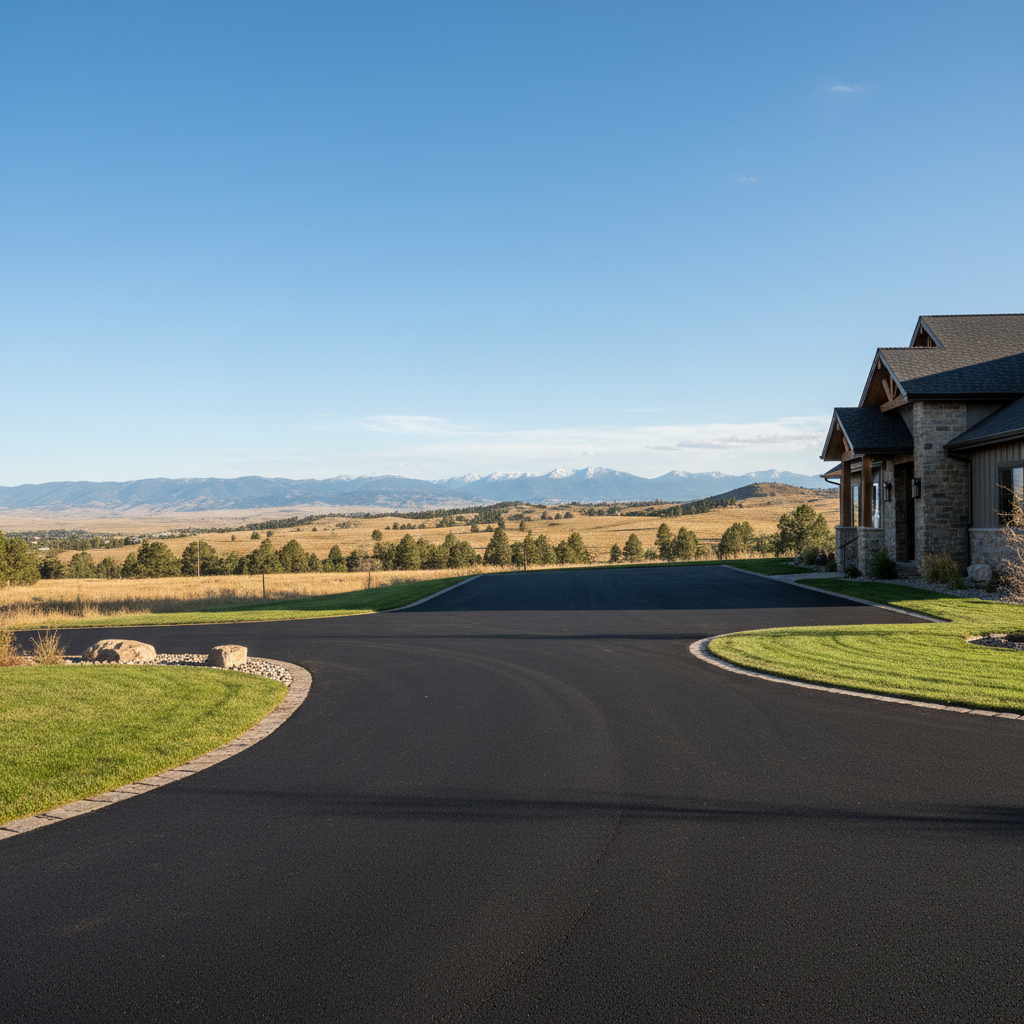
So, you're looking at a commercial asphalt project for your Longmont property. Maybe it's a new parking lot for your business, an access road, or a big repair job on an existing surface. This isn't like patching a pothole in your driveway; there's a lot more that goes into it. I've seen plenty of these projects, good and bad, and I want to give you the straight scoop on how to plan it right so you don't end up with headaches or unexpected costs.
Setting Your Project Timeline
First things first, let's talk about time. Commercial asphalt projects aren't a weekend warrior job. From initial contact to final striping, you're looking at a process that can easily span several weeks, if not months, depending on the size and complexity. Weather plays a huge role here in Colorado. We've got those wild swings, right? One day it's 70 and sunny, the next it's snowing. You can't lay asphalt effectively in freezing temperatures or heavy rain. That means most major paving work happens from late spring through early fall. If you're planning for next year, start getting bids in late winter or early spring. Good contractors book up fast, especially for bigger jobs. Don't wait until July to start calling around if you want it done before the snow flies.
Here's a rough breakdown of what that timeline might look like:
- Initial Contact & Site Visit (1-2 weeks): You reach out, we come out, assess the site, talk about your needs.
- Proposal & Contract (1-3 weeks): We put together a detailed bid, you review it, ask questions, and sign off. This can take longer if you're getting multiple bids.
- Scheduling (2-6 weeks out): Once the contract's signed, we'll get you on the schedule. This depends on our current workload and the weather forecast.
- Pre-Construction & Prep Work (1-3 days): This might involve utility marking, site clearing, or initial grading.
- Asphalt Installation (1-5 days or more): The actual paving. This is where the heavy machinery comes in.
- Curing & Striping (3-7 days after paving): The asphalt needs time to cure before it can be striped or heavily trafficked. Then the striping crew comes in.
Factor in potential delays for weather, material availability, or unexpected site conditions. Always build in a little buffer.
What to Expect During the Process
Once you've got a contractor lined up and a start date, here's a general idea of what you'll see happen on your property. It's going to be a construction zone, plain and simple. Expect noise, dust, and heavy equipment. We'll typically start with site preparation. This means clearing the area, excavating any old pavement, and grading the sub-base to ensure proper drainage. Drainage is absolutely critical, especially with our clay soils around Longmont that can hold water. If the sub-base isn't properly prepared and compacted, you'll have issues down the road, literally.
Next comes the aggregate base layer. This is a crucial foundation that provides stability and helps distribute weight. It gets laid down and compacted thoroughly. Then, it's time for the asphalt. Hot asphalt mix gets delivered by trucks, spread by a paver, and then compacted by rollers. Depending on the design, you might have multiple layers. It's a pretty impressive operation to watch. After the asphalt is down, it needs to cool and cure. This can take a few days before it's ready for traffic or striping. We'll usually put up cones or tape to keep people off it during this time. Finally, the striping crew comes in to mark parking spaces, arrows, and any other necessary lines. Communication is key during this whole process. A good contractor, like us at Integrity Paving, will keep you in the loop every step of the way.
How to Prepare Your Site and Business
Before the crew even shows up, there are a few things you need to do. First, make sure the area is clear of any vehicles, equipment, or materials. If it's a parking lot, let your tenants or customers know about the upcoming disruption well in advance. Provide alternative parking if possible. You might need to adjust your business hours or even close for a day or two during the most disruptive phases. Think about access for deliveries too. We'll need clear paths for our trucks and machinery. Mark any underground sprinkler heads, shallow utility lines, or anything else that shouldn't be disturbed. We'll call for utility locates, but it's always good to have your own knowledge of what's where. If there are any existing drainage issues, point them out during the initial site visit so they can be addressed in the plan.
Questions to Ask Before Signing That Contract
This is where you protect yourself and ensure you're getting a quality job. Don't be shy about asking questions. You're investing a lot of money here. Here are some key ones:
- What's your experience with commercial projects of this size and type? Ask for references and maybe even drive by some of their completed jobs.
- Is your company licensed and insured? Get proof of both. This protects you if something goes wrong.
- What's included in the bid? Be specific. Does it cover excavation, grading, base material, asphalt layers (and their thickness), drainage, and striping? Are there any allowances for unforeseen conditions?
- What kind of asphalt mix will you be using? There are different types, and the right one depends on expected traffic load.
- What's your warranty? A good contractor will stand behind their work. Understand what's covered and for how long.
- How will you handle site access and disruption to my business? Get a clear plan for managing traffic flow and communicating with your customers.
- What's the payment schedule? Avoid contractors who demand a huge upfront payment. A typical schedule might be a deposit, progress payments, and a final payment upon completion and your satisfaction.
- Who will be my main point of contact during the project? You need one person you can call with questions or concerns.
- How do you handle unforeseen issues? What happens if you hit an unmarked utility line or discover unstable soil?
Taking the time to plan properly and ask the right questions upfront will save you a lot of grief and money in the long run. A commercial asphalt project is a big deal, and you want it done right the first time.